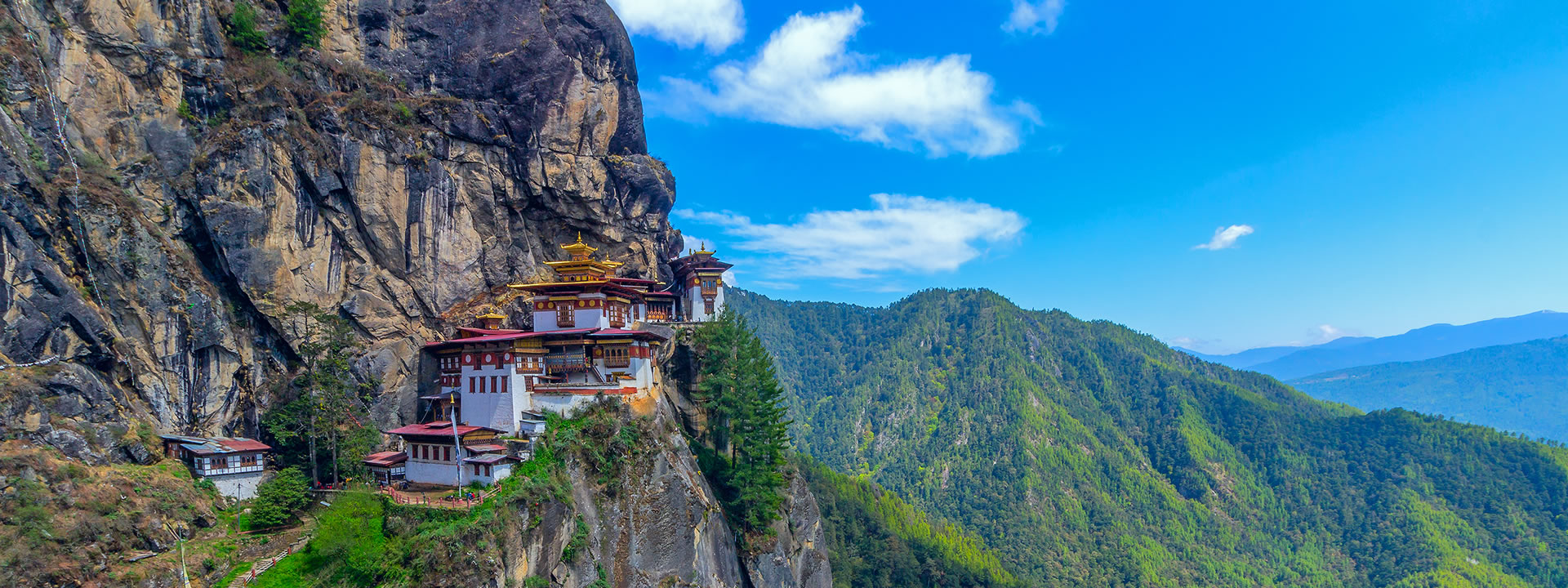
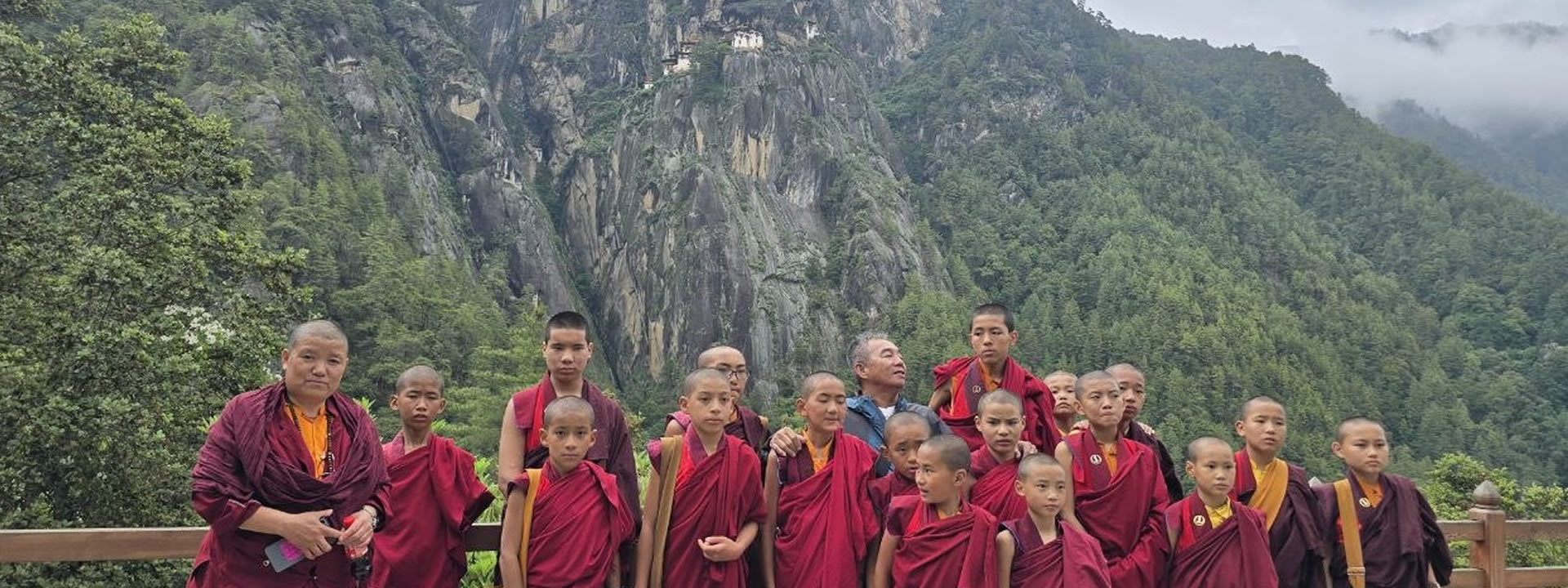
tigernest.jpg

Bhutan Tour Provider is registered as Zoid Jin Tours under Department of Tourism as the name zoid Jin Tour is given by the  great master relating to safety, Peace, informations , satisfied and happiness to the guest visiting Bhutan. We welcome not as a tourist but as our special guest to Bhutan. 

We firmly believe that guests, notwithstanding class, color and creed; all are equally important and deserve the best treatment possible.

Why Bhutan Registered Tour company ? 

The circumstances has force us to share in our websites for the better understanding of our valued guest planing to visit Bhutan from far and near. If you choose the registered tour company then everything will be taken care by Royal Government of Bhutan and the tour operators as mentioned below: 

No Scams: Your payments go through legal business channels, protecting you from fraud.

Real Permits: We can easily get travel entry passes, visas, and park tickets for you.

Trained Guides: We provide certified, knowledgeable local guides.

Emergency Help: We have a physical office and a backup plan if things go wrong on the road.

Custom Itineraries: Personalized cultural tours with day to day information updates, festival visits, and trekking adventures and etc. 

Cancellation & Refund: Getting refund from the tour operators is gurantted as per the cancellation policy. 

How to Verify: Check registration on the Government official website https://services.bhutan.travel/search/tour-operator/zoid-jin-tours 


Bhutan Travel Guide

About Bhutan
Languages in Bhutan?

Dzongkha is the national language of Bhutan, meaning the "language spoken in the dzong".Additionally, 18 other languages are spoken across the country. English is widely used and is the medium of instruction in schools.

Weather in Bhutan?

There are four seasons: summer (June–August), autumn (September–November), winter (December–February), and spring (March–May). Regardless of whether you prefer the tranquillity of the rains, the richness of flora and fauna, awe-inspiring architecture, or vibrant festivals, Bhutan has something to offer for all year round.

Best time to visit Bhutan?

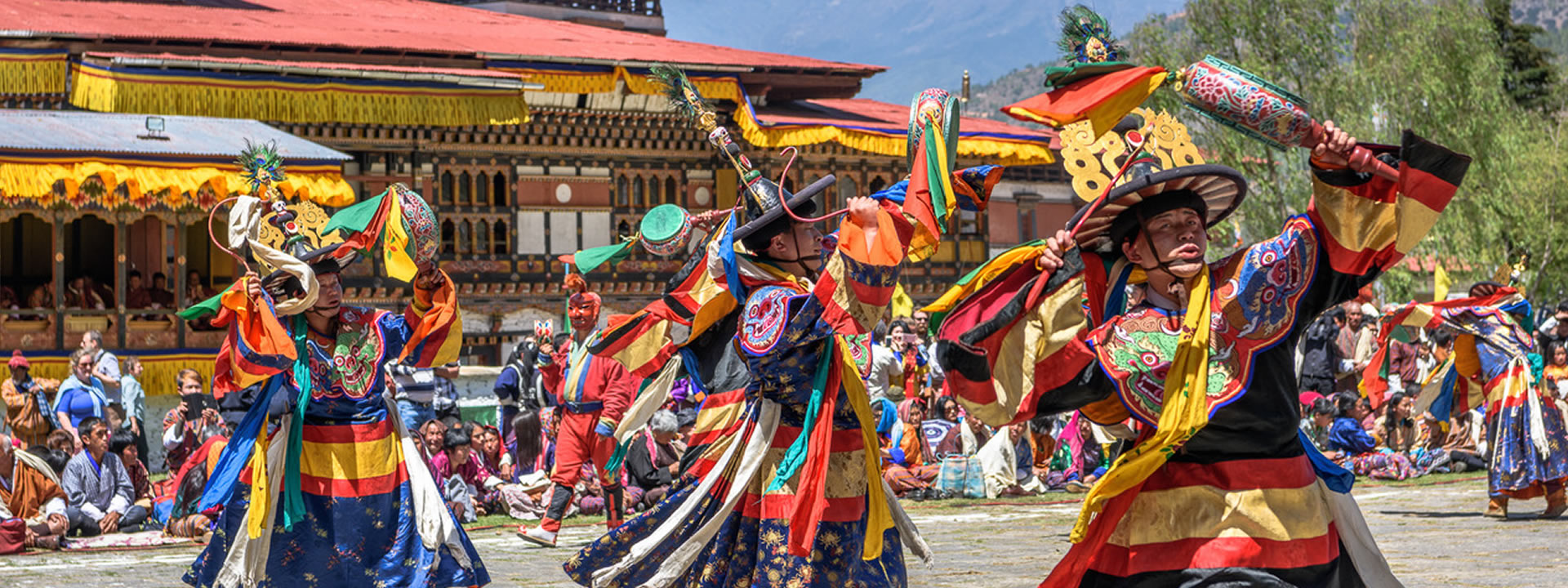
Bhutan is a year-round destination.Each season offers unique weather patterns, cultural, festivals, and landscape views across the valleys.The best time to visit depends on your interests. Spring (March–May) offers blooming flowers and the Paro Tshechu. Autumn (September–November) has clear skies, vibrant foliage, and the Thimphu Tshechu. Winter is quieter with stunning snowy landscapes.

currency used in Bhutan?

The Bhutanese Ngultrum (BTN) is the official currency. The Indian Rupee (INR) is also widely accepted at a 1:1 rate.

There are several banks and authorized money exchange counters in Bhutan where you can exchange major foreign currencies, such as US Dollars, Euros, and Indian Rupees, for Bhutanese Ngultrum (Nu.).

I recommend to carry new notes without torn and above 2009 series (USD). Bhutan donot accept torn and old series for the exchange.

Power plug used in Bhutan?  

Bhutan uses Type D, Type F, and Type G plugs. A universal travel adapter is recommended to ensure compatibility with all outlet types you may encounter.


Visa and SDF in Bhutan
Visa to Bhutan?

To visit Bhutan, most international travelers need a passport valid for at least 6 months, a $40 visa application fee, and payment of the daily Sustainable Development Fee (SDF). Indian visitors require a permit with SDF of Rs. 100 per person per night. Nationalities of Bangladesh and the Maldives are eligible for a visa on arrival. All other foreign nationals must obtain an e-visa prior to entry into Bhutan.

Requirements and Costs

Visa Fee: $40 USD (one time only).

Sustainable Development Fee (SDF): $100 USD per night for adults; $50 USD per night for children aged 6–12; children under 5 are exempt.

How to apply Bhutan Visa?

You can apply online via the Department of Immigration portal-https://immi.gov.bt/home/, or travel with Zoid Jin Tours and let work teams can handle everything.

Duration to get Bhutan visa?

A complete visa application typically takes around five to seven working days to process.

currency used in Bhutan?

The Bhutanese Ngultrum (BTN) is the official currency. The Indian Rupee (INR) is also widely accepted at a 1:1 rate.

There are several banks and authorized money exchange counters in Bhutan where you can exchange major foreign currencies, such as US Dollars, Euros, and Indian Rupees, for Bhutanese Ngultrum (Nu.).

I recommend to carry new notes without torn and above 2009 series (USD). Bhutan donot accept torn and old series for the exchange.

What is Sustainable Development Fee?  

The SDF is a mandatory fee for all tourists visiting Bhutan. It funds sustainable development — including cultural and environmental preservation, free education, healthcare, and infrastructure. It also helps manage tourism at sustainable numbers, ensuring visitors enjoy an intimate Bhutanese experience.


Travelling to Bhutan 
Monument and activity Fees in Bhutan?

Bhutan charges monument fees to preserve its living cultural heritage, fund site maintenance and cleanliness, and manage visitor numbers sustainably.

Monument Fees

1. Buddha Point : INR 500 per person

2. Takin Preserve INR 300 per person

3. Simply Bhutan INR 1000 per person

4. Chimi Lhakhang INR 500 per person

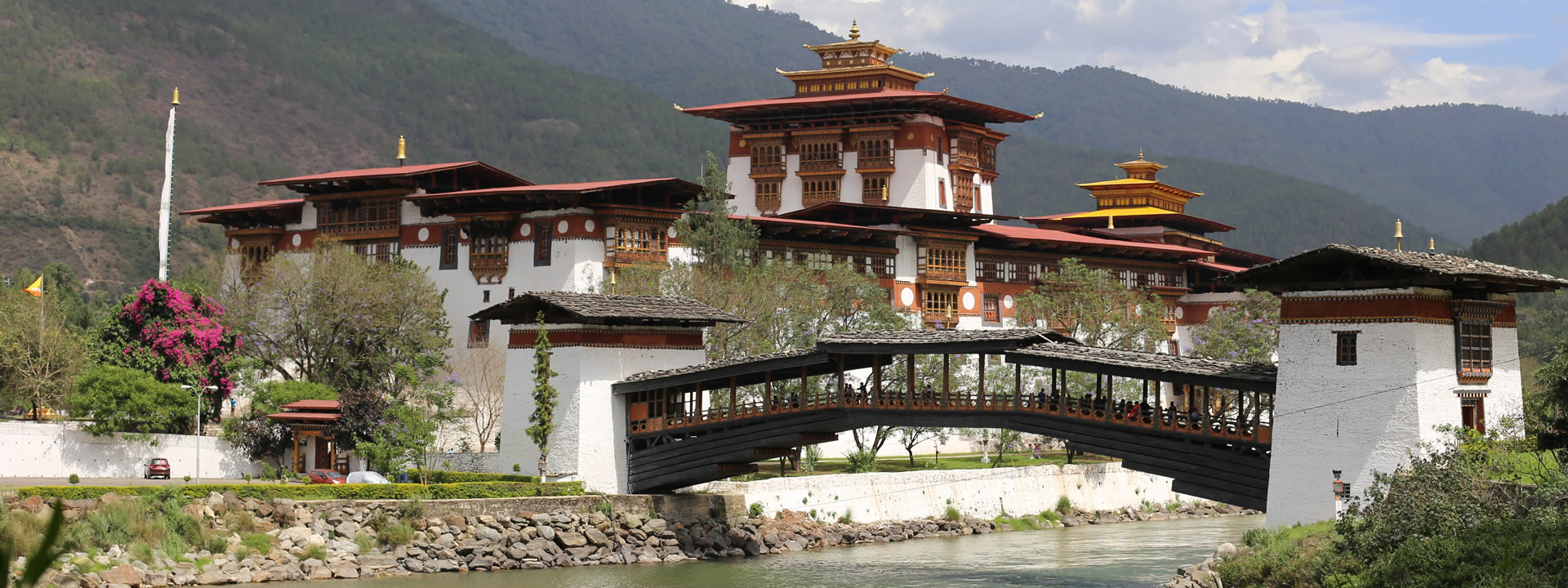
5. Punakha Dzong INR 500 per person

6. TigerNest : INR 1000 per person

7. River Rafting INR 10,000 per Raft (6 people capacity )

8. Hiring Bhutanese attire INR 300 per person

9. Hotstone Bath INR 1800 per person

10. Cultural Program INR 10,000 below a group size of 10 people else 1000 per person

Cloths to wear in Bhutan?

Religious sites like dzongs and monasteries require strict conservative attire to show respect.Wear long pants or skirts and shirts with sleeves covering your shoulders. Remove shoes before entering sacred areas

Spring & Autumn (Mar–May, Sep–Nov): Lightweight clothing, layers for cool evenings, comfortable walking shoes, sunscreen, hat, reusable water bottle.

Summer (Jun–Aug): Breathable clothing, waterproof jacket for monsoon rains, quick-drying clothes, umbrella, insect repellent.

Winter (Dec–Feb): Thermal wear, fleece jackets, heavy coat, gloves, scarves, woolen socks, beanie, insulated waterproof boots, lip balm.

Food to expect in Bhutan?

A typical Bhutanese meal is based on red rice, served with stews, vegetables, and chili paste. Bhutan Tour Provider or the Zoid Jin Tours do not dictate where our guests should eat. Instead, we talk with them, understand their preferences and mood, and take them to the most suitable place — from restaurants serving international cuisine to family homes and village homestays offering authentic local meals.

Our national dish is Ema Datshi (chili and cheese stew). Other popular dishes include Kewa Datshi (potato & cheese), Shamu Datshi (mushroom & cheese), red rice, momos, and Suja (butter tea).

Getting into Bhutan?

Your booking through an accredited operator like Zoid Jin tour is strongly recommended as we handle permits, accommodations, and provide expert guides with deep knowledge of Bhutanese culture and hidden gems.

We help you travel by air or by land. Drukair flies directly from Bangkok, Singapore, Kathmandu, Dhaka, and several Indian cities (Delhi, Kolkata, Gaya, Bagdogra, Guwahati). By land, you can enter via Phuntsholing or Samdrup Jongkhar from India.

Safe to travel Bhutan?

Yes, Bhutan is exceptionally world's safest travel destination and however need to take care around from stray dogs and have to be aware that monsoons (June–September) can occasionally affect transport and services — Check with tour operator for any disruptions.

Tour cancellation policy in Bhutan?  

Tour cancellation policies in Bhutan vary by local operator and Department of Tourism guidelines, typically featuring a sliding scale:free or low-fee cancellations 30 to 45 days prior, partial charges within 7 to 21 days, and 100% forfeiture for late notices or after arrival.

If booked through outside or unregistered Tour operators/ Guides then it will be difficult to get the refund.


Travelling in Bhutan 
Smoking in Bhutan?

Bhutan was the first country in the world to banned tobacoo untill June 2021 and now also Smoking in open public places is discouraged.Travellers should pay duties on tobacco products brought into Bhutan and carry valid duty receipts. Customs officers can request to see receipts, and offenders without receipts can be fined.

Altitude Sickness in Bhutan?

Altitude sickness is uncommon in Bhutan for most visitors as most tour destinations are below 3,000m.However, high-altitude treks can climb above 3,500 to 5,000 meters, increasing the risk of Acute Mountain Sickness (AMS). Nothing to worry with the trekkers travelling with zoid jin tours as all safety measures are in place.

Tippings in Bhutan?

Tipping is not compulsory in Bhutan but many of the visitors practiced it.The bottom line in determining whether and how much to tip is to ask yourself how much the individual contributed to make your travel more enjoyable and your gratuate towards them will be a welcome gesture.

Use of credit and ATM cards in Bhutan?

Ofcourse cards are accepted in major cities like Thimphu and ParoCards are accepted in major cities like Thimphu and Paro, but limited elsewhere. Always carry cash in Bhutanese Ngultrum or Indian Rupees for smaller purchases. The goBoB digital wallet by Bank of Bhutan is also widely accepted with a local SIM.

I recommend to carry new notes without torn and above 2009 series (USD). Bhutan donot accept torn and old series for the exchange.

Buying souvenirs from Bhutan?  

Thimphu and Paro are the best shopping destinations. Look for traditional costumes, colourful masks, prayer flags, handwoven textiles, thangkas, honey, cordyceps, yak cheese, and lemongrass spray. You can even get a personalised postal stamp from Bhutan Post in Thimphu

Tour itinerary via Land

Like us on Facebook